The Words: This is the original historical source, in its authentic language.
“El baile popular de nuestro tiempo, se conoce con diferentes nombres: se le llama tondero, mozamala, resbalosa, baile de tierra, zajuriana y hasta el año 79 era más generalizado llamarlo chilena; fuimos nosotros los que, una vez declarada la guerra entre el Perú y Chile, creímos impropio mantener […] semejante título […] resolvimos sustituir el nombre de chilena por el de marinera; tanto porque en aquel entonces la marina peruana llamaba la atención del mundo entero […] cuanto porque el balance […] de una nave gallarda dice mucho con el contoneo y lisura de quien sabe bailar […]. Marinera le pusimos, y marinera se quedó.”
Abelardo Gamarra “El Tunante” — Rasgos de Pluma, artículo “El Baile Nacional” (Lima, 1899).
AI Interpretation: This is how artificial intelligence interpreted the original text.
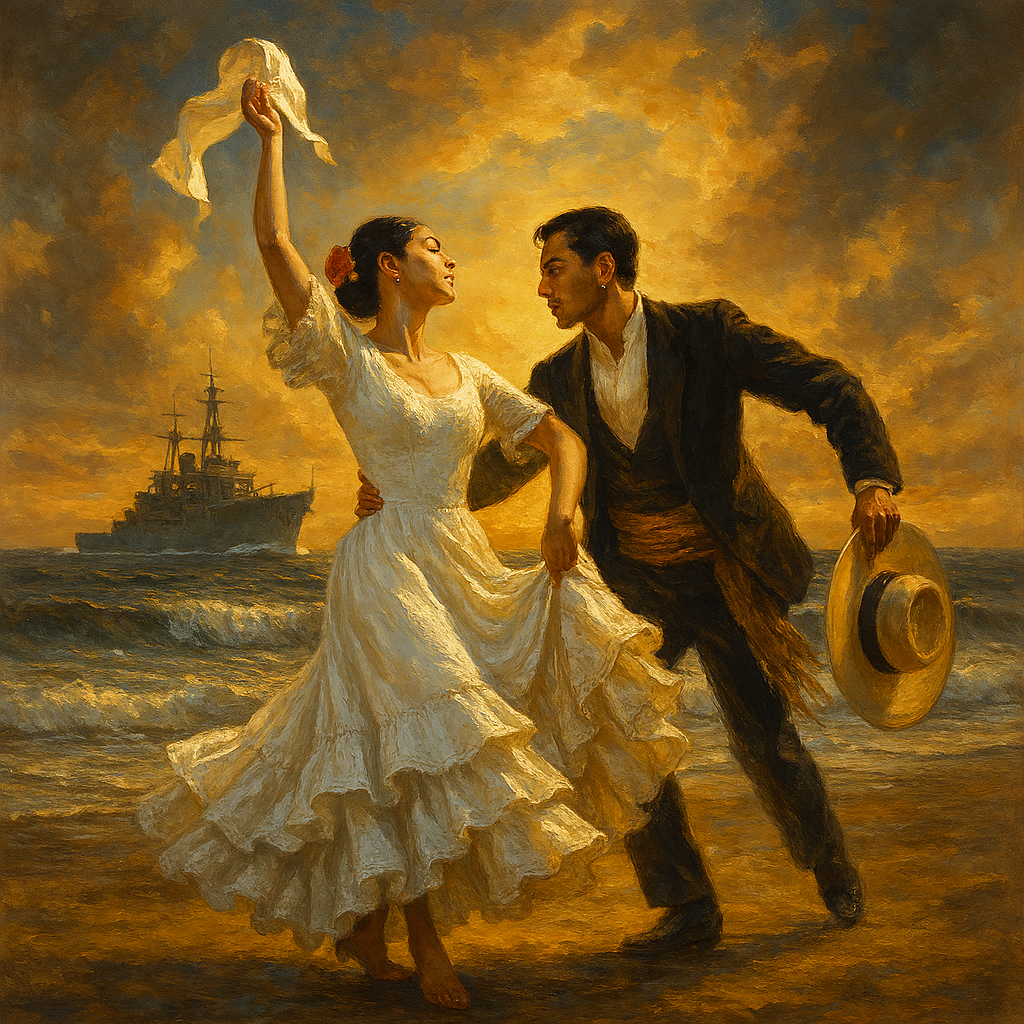
In 1879, Peru was at war with Chile. A writer — just a writer, with no decree and no ministers — decided the national dance could no longer carry the enemy’s name. He renamed it marinera, after the Peruvian warships that moved through the ocean like a dancer moves through a crowd: with balance, with grace, with pride. The people embraced it. And it never left.
AI Prompt: This is the prompt generated by AI to create an image that visually interprets the original source.
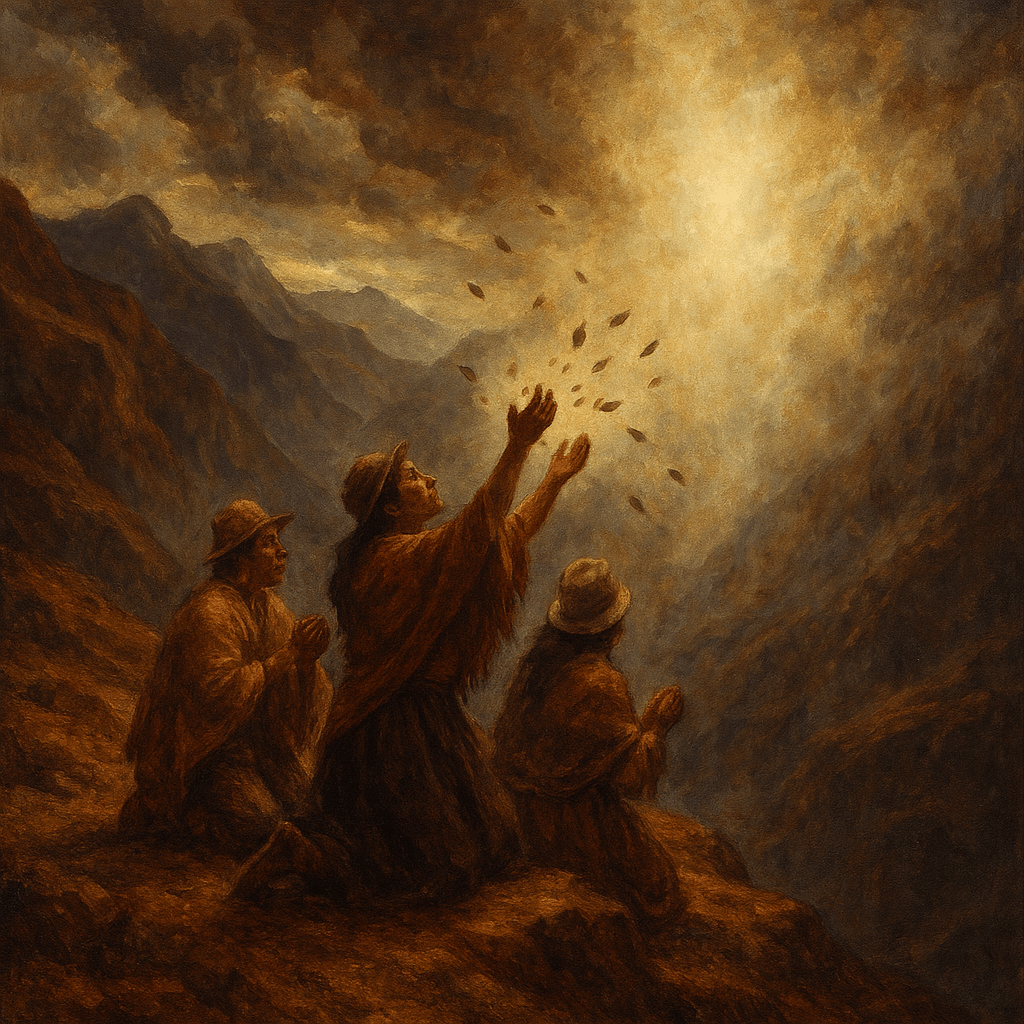
A couple dancing the Marinera on the Peruvian coast at sunset, woman in elegant white dress raising a white handkerchief toward the sky, man in traditional coastal costume, in the background a majestic warship sailing the Pacific Ocean, passionate and graceful movement, dramatic golden light, epic romantic painted style, no text, no watermark
AI Result: This is what the AI imagined.


 HuAIrique
Leave a comment